
Baby Fever: When Should You Take Your Child to Hospital? (How Virtual ED Can Help You Decide)
When Should You Take Your Child to Hospital?
It’s one of the most common questions parents search in the middle of the night:
👉 When should I take my baby to hospital for a fever?
👉 Child fever — when should I go to emergency?
👉 Should I take my baby to hospital… or am I overreacting?
The hardest part isn’t always the fever itself —
it’s knowing what to do next.
This is exactly where many parents feel stuck.
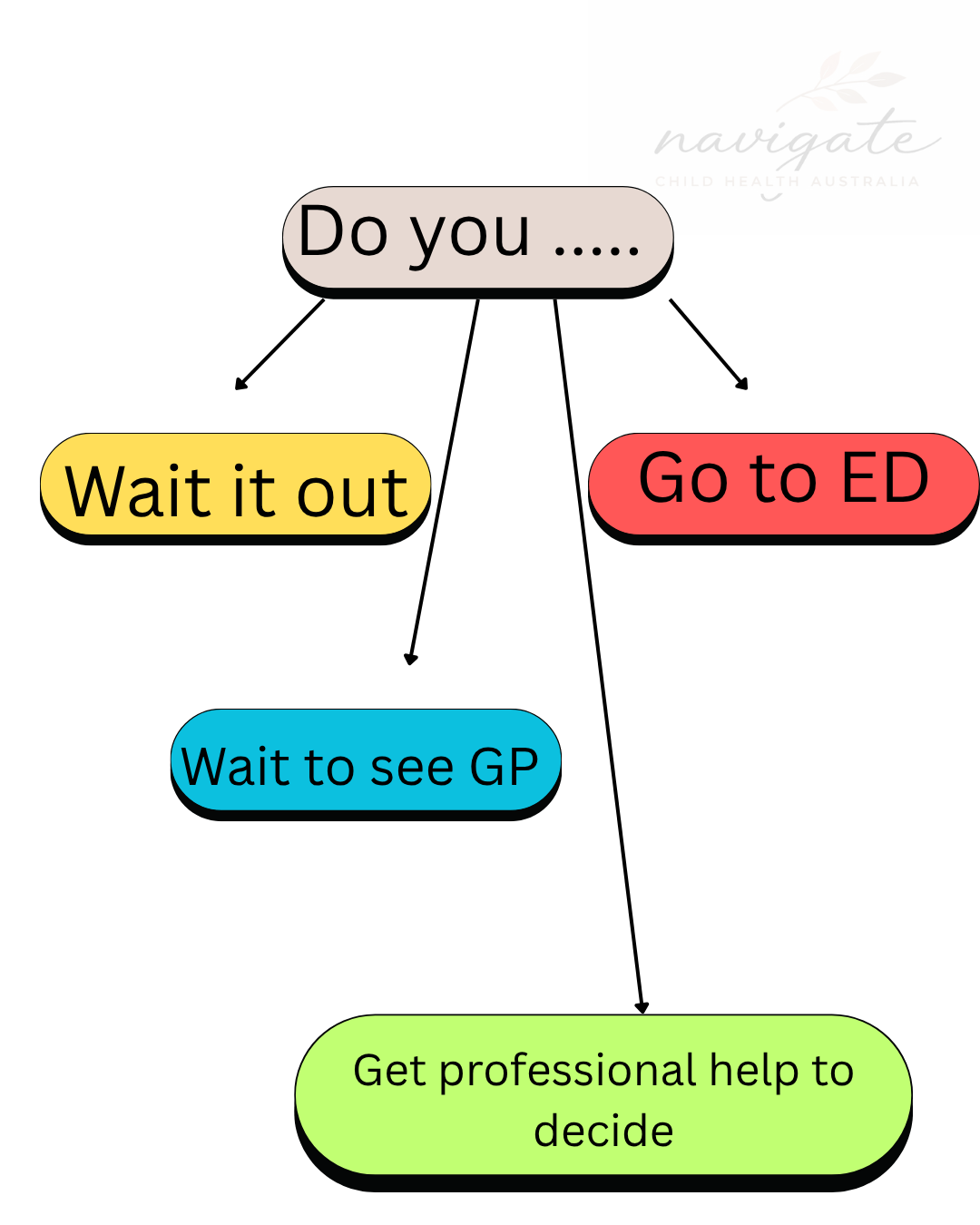
And it’s where Virtual Emergency Departments (Virtual ED) can make a huge difference.
When to Take a Baby to Hospital for Fever
Most parents aren’t looking for complex medical explanations.
They’re trying to answer something much simpler:
👉 Is this something I can manage at home… or do I need help now?
Fever is one of the biggest triggers for this uncertainty.
Not because it’s always dangerous —
but because it’s hard to interpret, especially in babies and young children.
This is where Virtual ED can help bridge the gap between:
“I think they’re okay”
and
“I think we need to go in”
What Is a Virtual ED?
A Virtual ED allows you to speak to an emergency-trained doctor or nurse from home, usually via video.
In Australia, there are:
public options (free)
private options (often Medicare-rebatable with a referral)
If you need help navigating which option is best for your child you can see my guide here:
Public vs Private paediatric care in Australia
Instead of guessing what to do —
you can get real-time guidance on whether your child needs hospital care.
Why Virtual ED Is So Powerful for Parents
Virtual ED doesn’t replace the hospital.
👉 It helps you decide if you need to go.
It can:
assess your child in real time
ask the right escalation questions
guide you on what to watch for
tell you when to stay home vs go in
support you to advocate if something doesn’t feel right
For many parents, it removes the “guessing”.
My Lived Experience Using Virtual ED
When I Thought My 4-Year-Old Had Something Serious
My 4-year-old had:
a very high fever
a stiff neck
headache
sensitivity to light
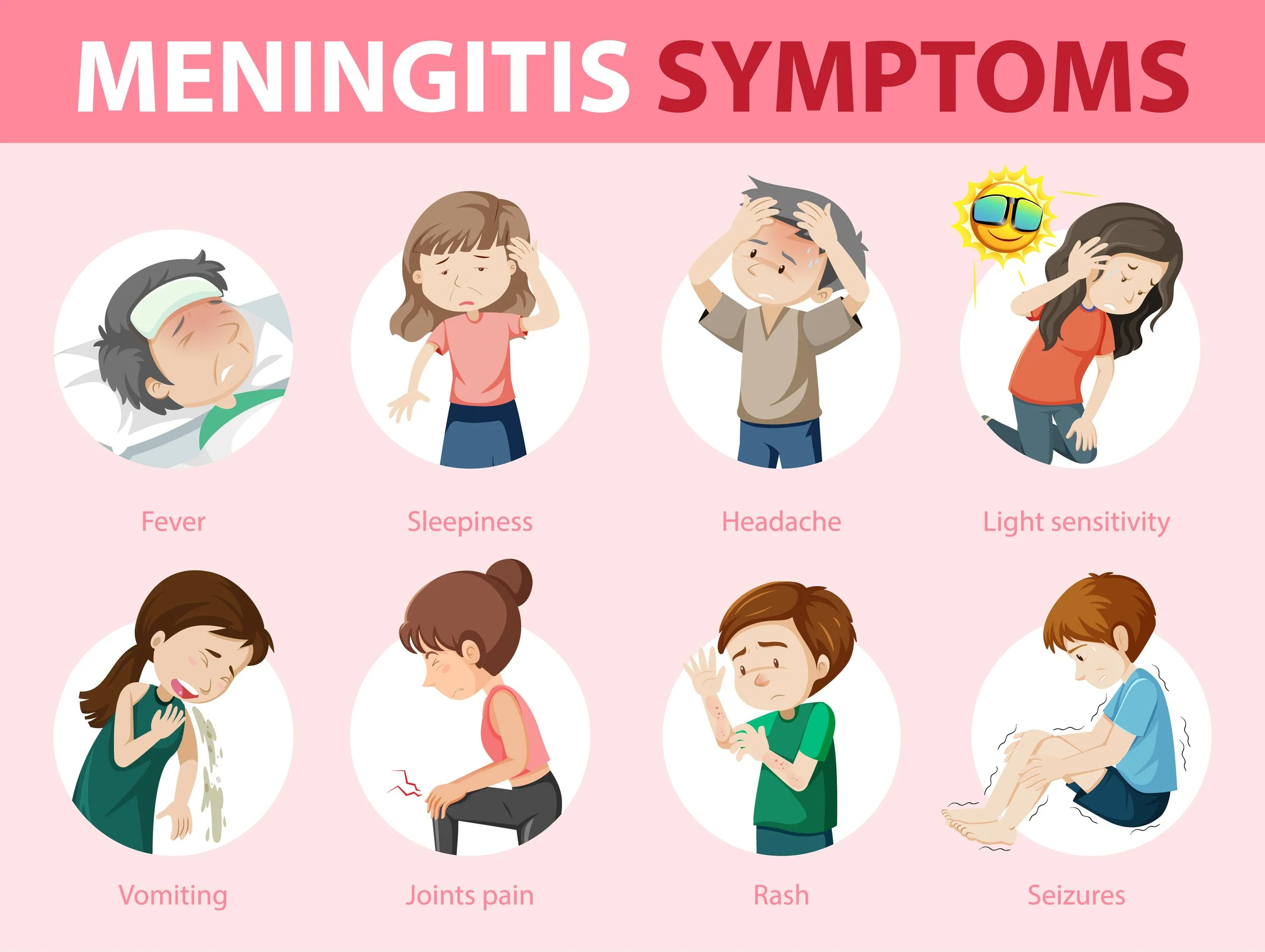
Everything in me was thinking:
👉 Should I take my child to hospital right now?
I was on the verge of going straight to Emergency.
Instead, I used Virtual ED.
They:
asked structured, targeted questions
assessed how my child was responding and moving
talked me through what would be concerning
👉 And importantly — what wasn’t.
Outcome:
I was safely able to monitor at home, with clear instructions on exactly when to escalate.
✔ No unnecessary hospital visit
✔ No lingering doubt
When My Baby’s Fever Went Over 41°C
We had just been discharged from Emergency.
Two hours later:
my baby’s fever climbed over 41°C
I couldn’t give more medication for another 3 hours

Flat and lethargic with a fever over 41°C
I remember thinking:
👉 Should I take my baby to hospital again… or am I overreacting?
I felt silly going back so soon.
But my gut said otherwise.
So I used Virtual ED.
This time, everything changed.
They:
validated my concern immediately
confirmed I needed to return to hospital
explained what should happen next
They even:
called ahead to the hospital
flagged that we were a re-presentation and escalated the actions the hospital should take on our arrival
And told me something I didn’t know:
👉 A re-presentation should trigger a more senior doctor review
So when the same doctor came back —
I felt confident to say:
👉 “I’d like a senior review please.”
If you are navigating this now and needing re-assurance and strategies for how to advocate for your child’s needs in hospital I have written a step- by step guide:
Hospital Escalation Guide for parents (Australia)
Outcome:
✔ I went back with confidence
✔ I knew what to expect
✔ I was able to advocate clearly
When My Toddler’s Behaviour Wasn’t “Just a Tantrum”
My 2-year-old had:
a recent viral illness
sudden, extreme behaviour changes
episodes of rolling on the floor in pain
We had already been to Emergency the day before.
I was told it was likely behavioural.
But something didn’t sit right.
If you’ve ever been told everything was fine, but you still had that nagging doubt, this step by step guide may help:
What to do if your child is getting worse in hospital (Australia): A parents guide
So again — I used Virtual ED.
They helped me understand:
👉 this wasn’t something to wait on
👉 this needed urgent assessment
They raised concerns about conditions such as intussusception that require imaging and urgent review.
I returned to hospital with a completely different level of clarity.
I was able to say:
👉 “I’m concerned this needs urgent imaging.”
Outcome:
✔ Urgent ultrasound completed
✔ Senior paediatric review before discharge
✔ Clear reassurance that serious causes were excluded
When Should You Use Virtual ED?
Virtual ED is ideal when you’re asking:
“Should I take my baby to hospital for this fever?”
“Is this getting worse?”
“Am I safe to wait?”
“Something feels off — but I can’t explain why”
It’s especially helpful:
after a recent ED visit
when symptoms change or escalate
when you feel dismissed but still concerned
Virtual ED vs Going Straight to Hospital
Virtual ED can:
✔ save unnecessary trips
✔ give you clarity
✔ help you prepare before going in
But just as importantly:
👉 It gives you confidence to go when it matters
A Simple Way to Think About It
Instead of asking:
👉 “Is this serious enough?”
Try asking:
👉 “Do I need help deciding?”
If the answer is yes —
Virtual ED is often the missing step.
Final Thoughts
Parents are often told:
👉 “Trust your instincts”
But what’s often missing is:
👉 support to act on them
Virtual ED bridges that gap.
It gives you:
clarity
direction
and the language to advocate
So you’re not left guessing —
and you’re not navigating the system alone. Virtual ED lifts the weight off your shoulders of having to decide what requires emergency care right now. It gives you access to amazing trained emergency medicine professionals who can calmly support you through your own decision making.
Important note- This information is education and lived experiences only. It does not replace medical advise. In the event your child is significantly unwell you should always seek urgent medical advise.
Virtual ED services available in Australia: A state by state guide….. Coming Soon!
