
What to Do If Your Child Is Getting Worse in Hospital (Australia Guide)
Are you worried your child is getting worse? If your child is getting worse while you are already in hospital, after they’ve been assessed, or while you’re waiting for answers, it can be difficult to know what to do next.
This guide explains how Australian parents can raise concerns, ask for another review and escalate concerns when they feel their child is deteriorating.
Signs Your Child May Be Getting Worse in Hospital
You don’t need medical training to recognise when something has changed.
Parents often notice:
Their child is more unsettled, lethargic, or harder to wake
Pain or crying is worsening, not improving
Feeding or drinking has dropped off
Breathing, behaviour, or responsiveness feels different
Even if observations or tests appear “normal,” a change from your child’s baseline matters.
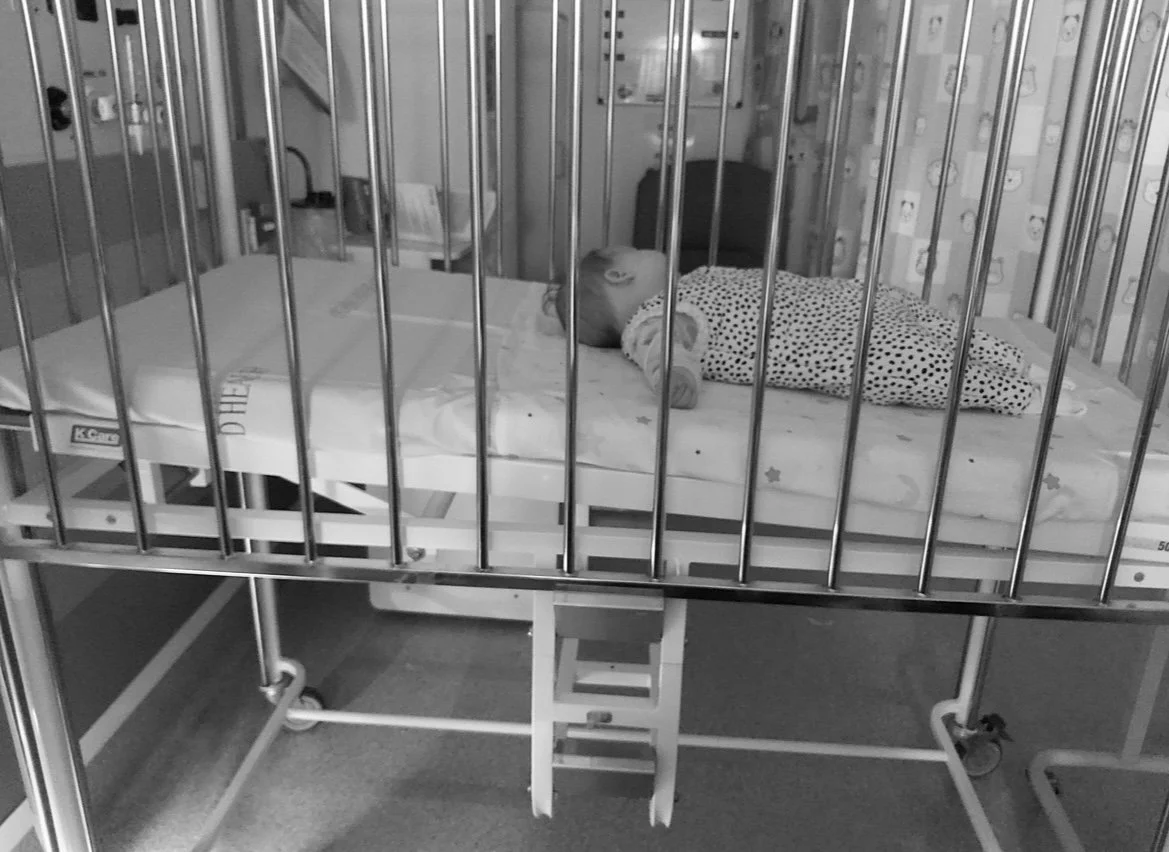
What should I do if I’m worried my child is getting worse in hospital?
If your child is not improving—or you feel they are deteriorating—these are the steps you can take:
1. Speak to the nurse again
Let them know clearly:
“I’m worried my child is getting worse.”
Be specific about:
What has changed
When it started
Why it concerns you
2. Ask for a medical review
If your concerns aren’t resolving:
“Can a doctor review my child again? I feel like something has changed.”
You are allowed to ask this.
3. Be clear and direct about your concern
Hospitals respond to clear escalation language.
Instead of:
“I’m just a bit worried…”
Say:
“I feel like my child is getting worse and I’m not comfortable waiting.”
If you are at home navigating when to take your baby or child to hospital this resource might be useful in helping you access medical supports to help you make that decision: Baby Fever: When Should You Take Your Child to Hospital? (How Virtual ED Can Help You Decide)
Parental Concern Is a Recognised Early Warning Sign
Across paediatric healthcare, there is growing recognition that parents often detect deterioration before clinical signs become obvious.
You know your child’s baseline:
Their behaviour
Their energy levels
Their cry, their responsiveness, their “normal”
When something feels off — even if observations appear “within normal limits” — that instinct is clinically relevant.
Many hospitals now formally acknowledge this through escalation pathways designed specifically for families.

Why Parents Sometimes Feel Dismissed
Even in high-quality healthcare systems like Australia’s, communication gaps can happen.
This might look like:
Being told to “wait and see” when your concern is increasing
Feeling like your worries are minimised
Not understanding the plan or next steps
Repeating concerns without clear action
This doesn’t necessarily mean care is unsafe — but it does mean you may need to advocate more clearly and more directly.
For example, you may have already been to the GP or urgent care clinic and now your child is taking antibiotics. But you still feel that they are not getting better. How long do you wait? When is it time to seek another review? How do you know if you just need to give the antibiotics a little more time to work? If you are navigating this situation right now the following guide may be useful: My Child Is Still Sick After Antibiotics: When Should I Go Back to the Doctor?
The Key Shift: From “Worried Parent” to “Clear Escalation”
Many parents are heard — but not always understood.
What often changes outcomes is:
Using clear, structured language
Asking for a specific clinical review
Requesting a defined plan and time frame
For example:
-What is being ruled out?
-What signs would trigger urgent review?
-When will the next assessment happen?
This shifts the conversation from general concern → clinical action.
When Should You Escalate Your Concerns?
Consider escalating if:
Your child is getting worse, not better
You feel something is not being adequately investigated
You’ve raised concerns multiple times without change
Your instinct is telling you something is seriously wrong
You do not need to wait until a crisis point.
If you have already been discharged from hospital - when should you go back?
If you feel like things are not improving or not following the clinical course you were told to expect when you were discharged from hospital. It is ok to go back and seek another assessment. Remind yourself that Parental concern is a valid clinical early warning sign. So if you are worried - you always have the option to go back to hospital.
The following guide may help in this situation: When Should I Take My Child Back to Hospital? (Australia Guide)
Hospital Escalation Pathways in Australia
Every Australian state has a formal system that allows parents to escalate concerns if they feel their child is deteriorating.
For example:
In Queensland, this is known as Ryan’s Rule
In New South Wales, families can use REACH or newer paediatric escalation pathways like “Raise It”
Other states have equivalent systems designed to trigger urgent clinical review
These pathways exist for a reason: 👉 Because parental concern has been shown to save lives.
The Biggest Barrier: Not Knowing What to Say
Most parents don’t struggle with whether they should speak up.
They struggle with:
How to say it without feeling dismissed
How to be taken seriously quickly
How to escalate without conflict
This is where many situations stall.
Your Rights as a Parent in Hospital (Australia)
In Australia, parents:
Can ask questions about care and decisions
Can request a review if concerned
Can escalate concerns through hospital systems
Are considered an important part of recognising changes in their child
You are allowed to speak up—even if you’re unsure.
What Effective Escalation Actually Looks Like
Effective escalation is:
Calm but clear and direct
Focused on change in condition
Anchored in a request for review and action
It’s not about being confrontational —
It’s about being specific, structured, and persistent when needed.
A Simple Truth Parents Need to Hear
You are not “overreacting” for advocating for your child.
You are doing your job.
Healthcare teams want children to be safe —
and escalation systems exist to support that — not to work against it.
If You’re Feeling Stuck — This Is Where a Plan Matters
In the moment, it’s hard to:
Think clearly
Choose the right words
Know what step comes next
That’s exactly why having a step-by-step escalation plan can make all the difference.
Download: Hospital Escalation Script + Decision Guide (Australia)
If you want something practical you can use in the moment, I’ve created a structured tool designed specifically for Australian parents navigating this situation.
It includes:
✔ A clear script you can use to request review
✔ A step-by-step decision pathway (what to do next)
✔ Guidance on when and how to escalate further
✔ State-based escalation pathways (including Ryan’s Rule and equivalents)
👉 Designed to help you move from “I’m worried” → clear action
[Download the Hospital Escalation Guide here]
Final Thought
If your child is in hospital and you feel something isn’t right —
pause and listen to that instinct.
You don’t need to have all the answers.
But you do need to be heard.
And there are systems in place to make sure that happens.
If you have a little one who is regularly in and out of hospital, it can begin to be extremely overwhelming very quickly. When our little people don’t have the language or skills to advocate for themselves they must rely on us to do it for them. That’s why I created the “My Hospital Hero” (Affiliate link- I may earn a commission if you purchase through this link, at no additional cost to you) kids activity book. This book is designed to support little people in hospital to actively participate in making decisions about their care (in an age appropriate way). It gives young children not only fun activities to do to make their hospital stay a happy one, but it gives them a level of choice and control back to support their ongoing emotional well-being in hospital. My Hospital Hero book(Affiliate link- I may earn a commission if you purchase through this link, at no additional cost to you).
Frequently Asked Questions
What should I do if doctors won’t listen to me in hospital?
Start by clearly stating your concern and asking for a review. If you still feel unheard, use your hospital’s escalation system (such as Ryan’s Rule) to request an urgent review.
Can I ask for another doctor in hospital?
Yes. You can request another review or escalate your concerns if you feel your child’s condition is worsening or not being addressed.
What is Ryan’s Rule?
Ryan’s Rule is a system in Queensland hospitals that allows patients and families to request an urgent clinical review if they believe a patient is getting worse.
Can I escalate care if I’m just worried?
Yes. Escalation systems are designed for situations where something doesn’t feel right—even if you’re unsure why.
Do parents have the right to question hospital care?
Yes. Parents are encouraged to ask questions, raise concerns, and be involved in their child’s care.
If you are navigating chronic health issues with your little one and are on the cycle of regular trips to the Emergency Department the following might be useful to assist in getting specialist oversight for your child: Do You Need a Referral to See a Paediatrician in Australia? (And How to Get One Faster)
